Tuesday, 10 November 2009

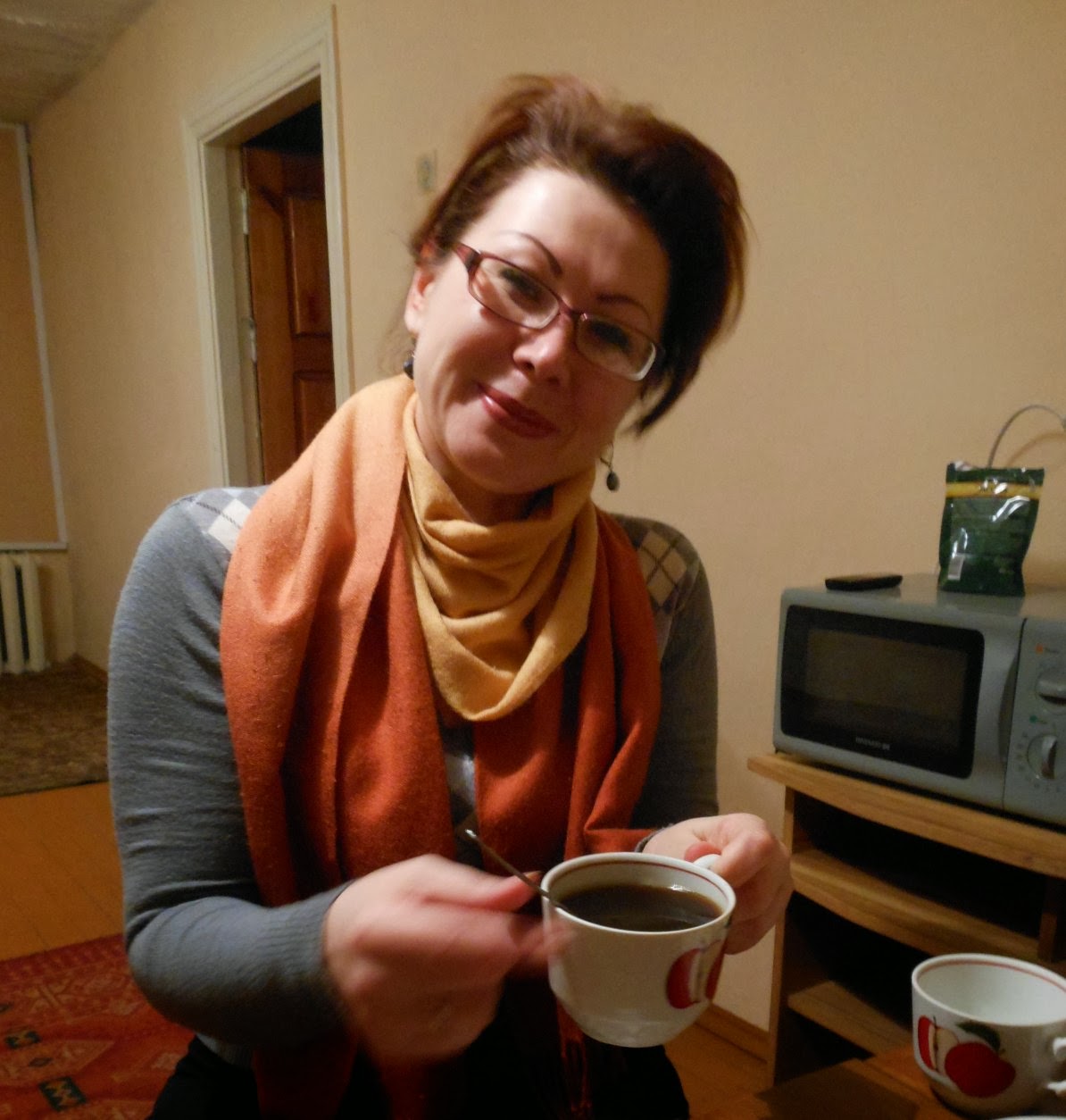
Maria from Spain

Serena from South Korea

Sunday, 8 November 2009

Vera sends a message from Brazil


Greetings from Vera

Meu nome é Vera Lúcia de Jesus Macedo Brasileiro, nascí em São Paulo, filha de migrantes nordestinos, os meus pais nasceram na Bahia. Sou graduada em Pedagogia, pós-graduada em Psicopedagogia Clínica e Institucional. Sou professora da rede municipal de ensino e terapeuta holística.
Minha atuação é virtual, busco políticas públicas para a melhoria da qualidade de vida de nossos bairros e diferentes comunidades, de forma que sejam respeitadas as peculiaridades de cada comunidade. Luto pela transparência nas ações governamentais e respeito ao regime político do nosso País. Infelizmente o Brasil tornou-se o país dos preconceitos, apesar de todos dizerem o contrário.

Vera Lúcia

My name is Vera Lucia de Jesus Macedo Brasileiro, born in Sao Paulo, the daughter of migrants from the Northeast, my parents were born in Bahia. I graduated in pedagogy, post-graduate degree in Educational Psychology Clinic and Institutional. I am a teacher of the municipal education and holistic therapist.
My work is virtual, public policies seek to improve the quality of life of our neighborhoods and different communities, so that both the peculiarities of each community. I fight for transparency in government and respect the political system of our country Unfortunately, Brazil has become the country of prejudice, despite everyone saying the opposite.

Vera Lúcia

Wednesday, 4 November 2009

DebieJoy sends her best wishes from Philippines.


LOVE AND FAITH OF A FILIPINO FAMILY
I am proud that I belong to this family. Loving and faithfulness is a tradition that is characteristic of Filipino society.
There are many faces and definitions of family around the world. But to us, Filipinos it’s the precious and significant people in our lives. It is family that lives together and stays together for lifetime. It inculcates world’s unique characteristic of hospitality, values and traditions that although ironically amusing, are uniquely extraordinary.
Most of the countries the family is patriarchal in nature, in which the father is the head of the family who carries out the decisions and orders in the house including the disciplining of the children. For a Filipino family it is both if the father don’t have work, the mother will work. The essence is of a Filipino is not about who should work and who will not work it is about helping each other to be able to live a good life at home and in the community.

Filipino children are already nurture while they are still young taught to do some household chores and other responsibilities especially the eldest one. He or she is mostly delegated the tasks to take care of his/her brothers and sisters in the absence of the parents.

The grandparents and extended relatives who are living with the family are treated as equal family members. They can use and share everything particularly clothing and accessories (in several cases, underpants). In return, they help do the tasks, chores and even finances with the host. There may have problems and misunderstandings, particularly jealousy among them, but they can always be relied on. And no matter what happens love and faith always prevail.

Many factors proved Filipino family’s love and faithfulness.
One is our respect to the elders. We are taught to respect those who are older to us.

Several symbolic ways in which respect is given to elders in the use of language by calling older Filipinos “PO” and older siblings, cousins, and family friends “Kuya”(Older Brother/Filipino Man) and “Ate”(Older Sister/Filipino Woman).
The most fascinating and ritualistic custom of showing respect to elders is of the greeting or salutation, the “MANO”. It is by taking the hand of the elders tho his/her forehead. The Philippines is the only country in Asia that holds this specific tradition and its origins evolved from the mixture of western and eastern tradition. The Mano [spanish for hand] evolved from the traditions of respect for ones elders which comes from asian cultures coupled with the respect for the clergy during the spanish occupation of the Philippines.

Daisy May born to Sara

It gives me such wonderful pleasure to inform everyone that a baby has been born to Sara. Mum and baby are well. Mum was in the middle of a game of scrabble when "Daisy May" called. Isn't she just a little beauty.
See also Scrabble game - before and after delivery !!!!!!.


Sunday, 1 November 2009

Fatima from United States - Mother Africa

Friday, 30 October 2009

Yiling from United States


I am very honored to present my very dear friend Truus's video " Life is beautiful " from my composition.I want to thank her because life is much more beautiful now being on the journey of our friendship.
Life is beautiful, especially if we are able to walk from darkness and able to see light again. Life is beautiful if we are able to love and give and share instead of just taking. Life is beautiful if we are able to find the happiness from simple things.
I wish for all of you to find the beauty of life in each moment.

Nuka from Thailand

Serena from South Korea


Sunday, 25 October 2009

Vera from Brazil sends her love and greetings


Vera from Brazil

Halina from Poland

Sherry from Canada

Thursday, 22 October 2009

Masha's love of Culture from Spain